Our Blog
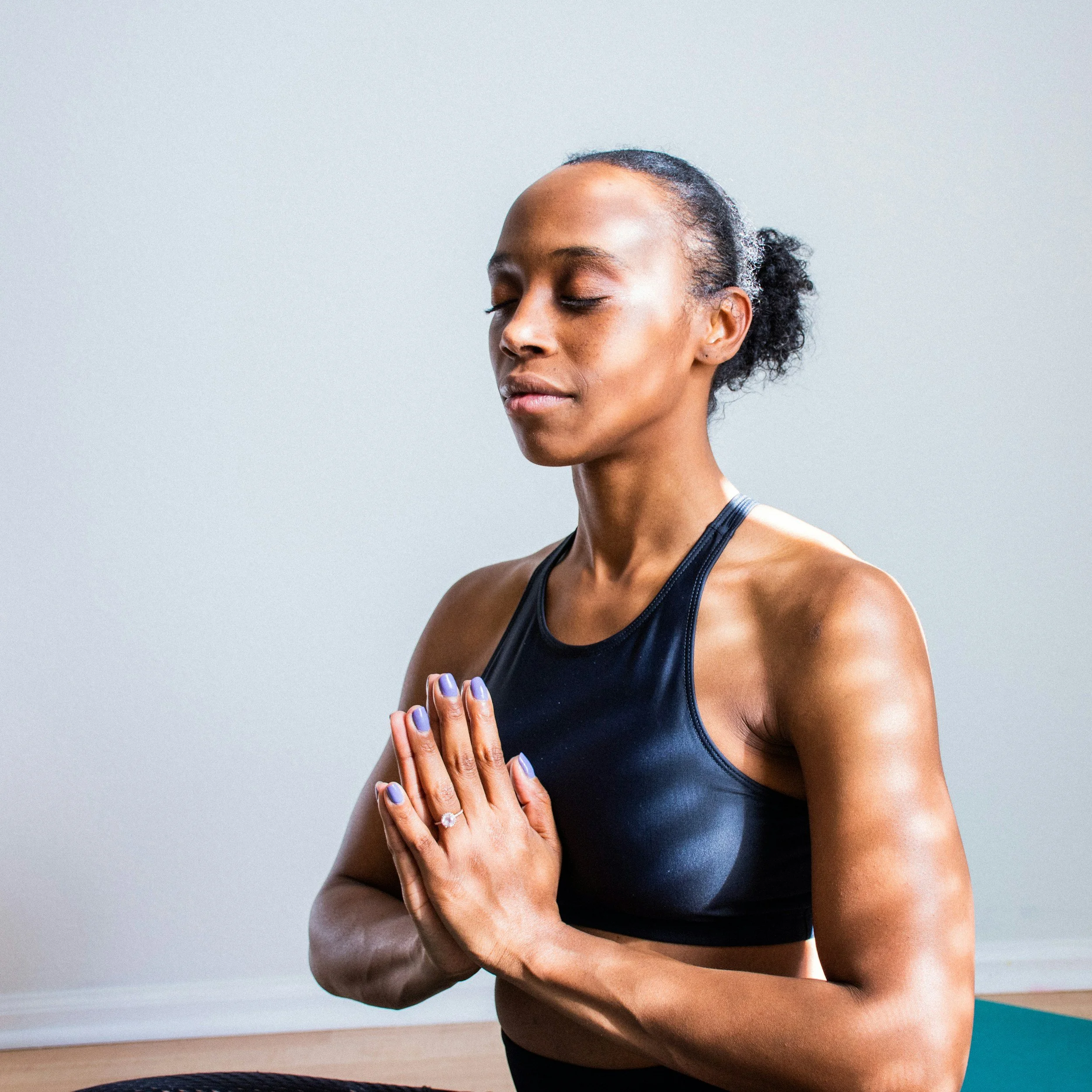
When You Control Your Breath You Control Your Peace
Controlling your breath can be the doorway to controlling your peace. How you ask? By first understanding what it means to incorporate breathwork in your yoga practice. Controlled breathing in yoga is known as Pranayama. Pranayama can be used to calm the nervous system and reduce stress.
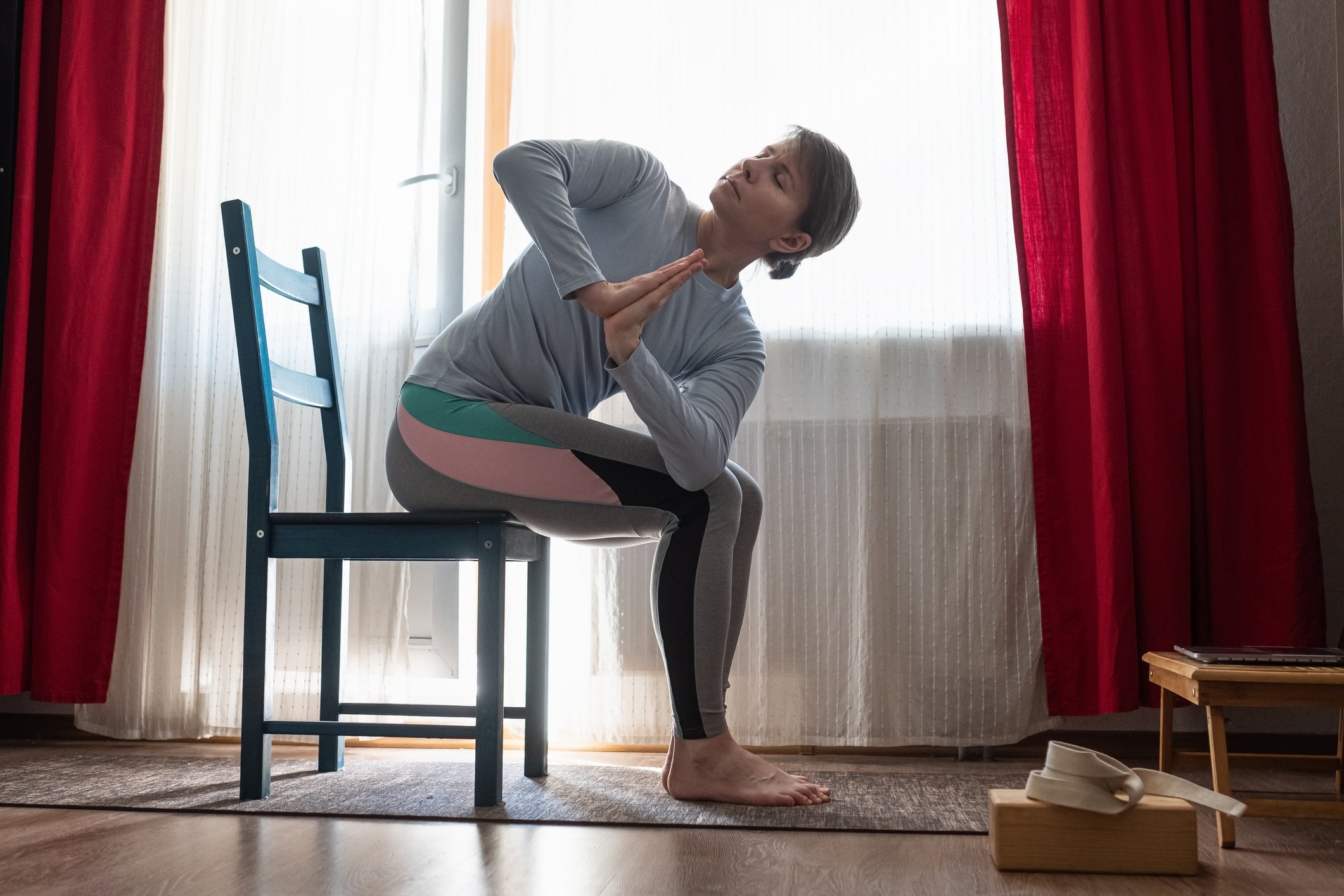
Easy Desk Yoga Poses to Relieve Stress at Work
You don’t need a mat or a yoga studio to ease tension during a busy day. Desk yoga offers a quick and accessible reset during long stretches of computer work or back-to-back meetings. These simple movements can be done seated or standing beside your desk, without changing clothes or breaking your workflow. By bringing gentle awareness to your body, desk yoga helps interrupt stress before it builds. Even a short pause can make a noticeable difference in how you feel.
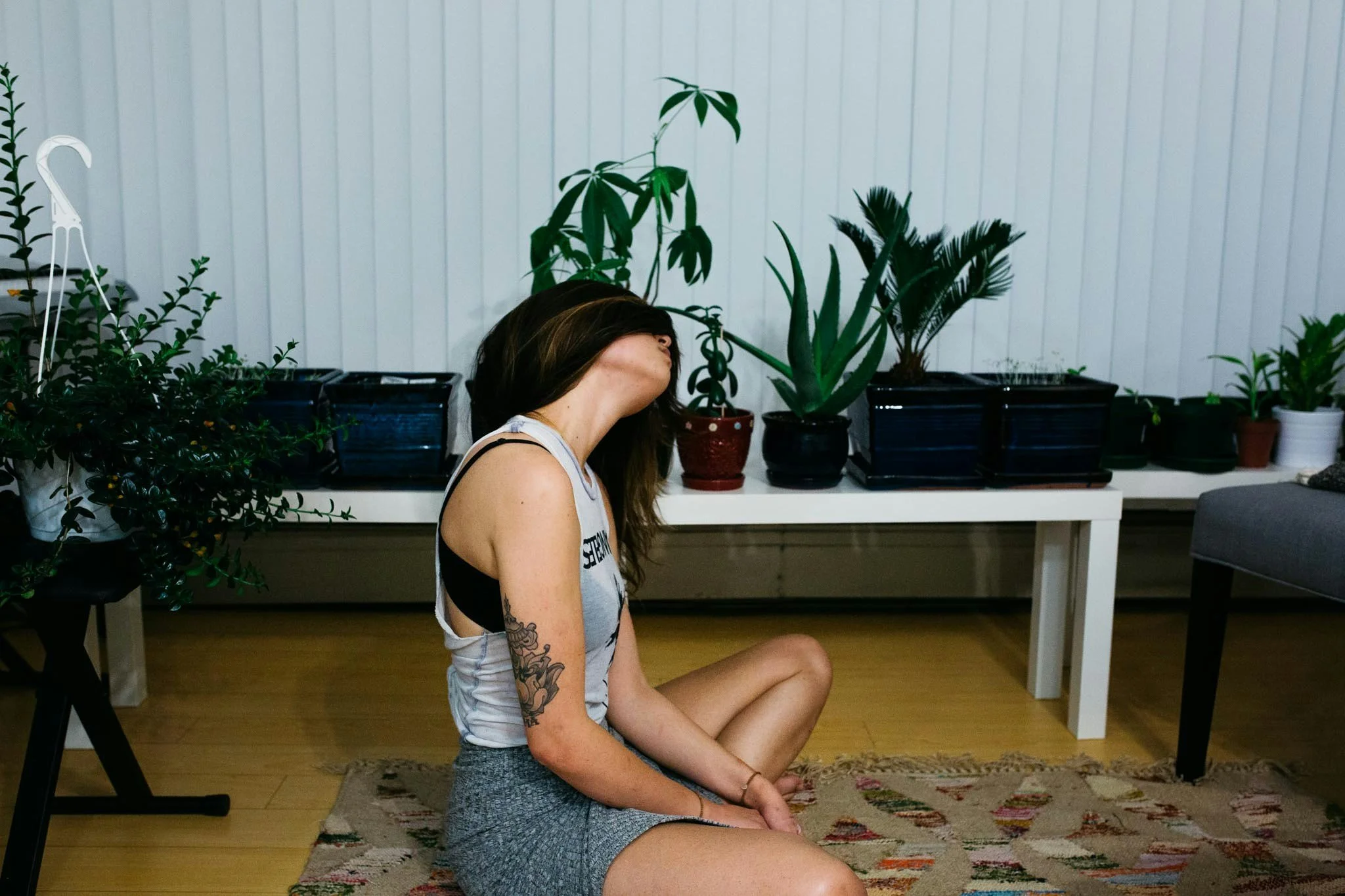
Breathing Through Big Emotions: Connecting Yoga to SEL
Before educators can effectively teach social-emotional learning, they need access to their own emotional resources. When stress is constant, it becomes harder to pause, reflect, and respond with intention. Without support, many educators operate in survival mode, doing their best while feeling depleted. Honoring adult emotional needs creates the conditions for more authentic modeling of SEL in the classroom and beyond.
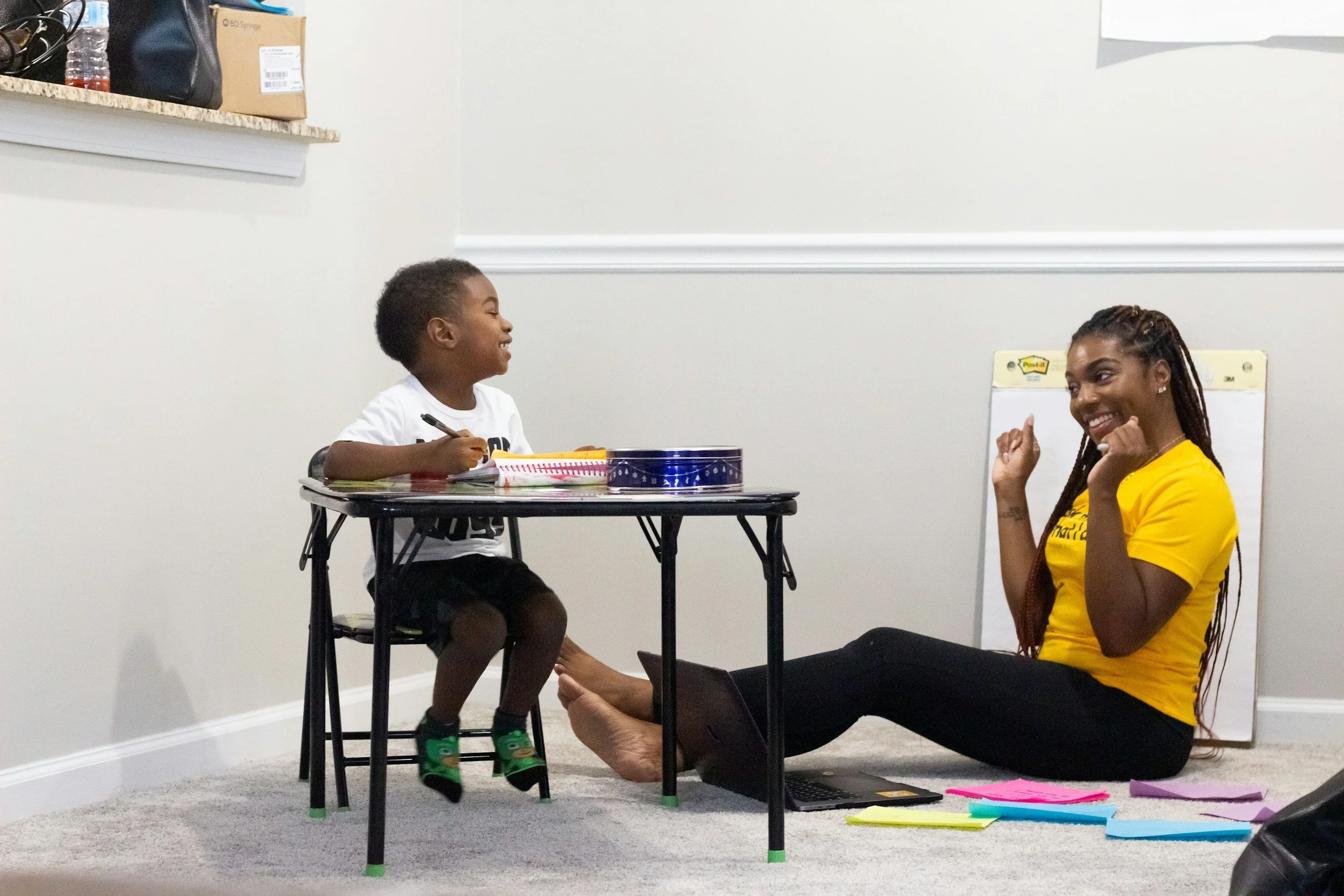
How Educators Can Model SEL Through Yoga
Children learn social-emotional skills by watching adults. When educators pause, breathe, and regulate their emotions, students witness SEL in action. Yoga is a powerful tool to help you cultivate this calm awareness. Through regular practice, you develop the ability to respond thoughtfully rather than react impulsively, creating a classroom environment grounded in patience and understanding.
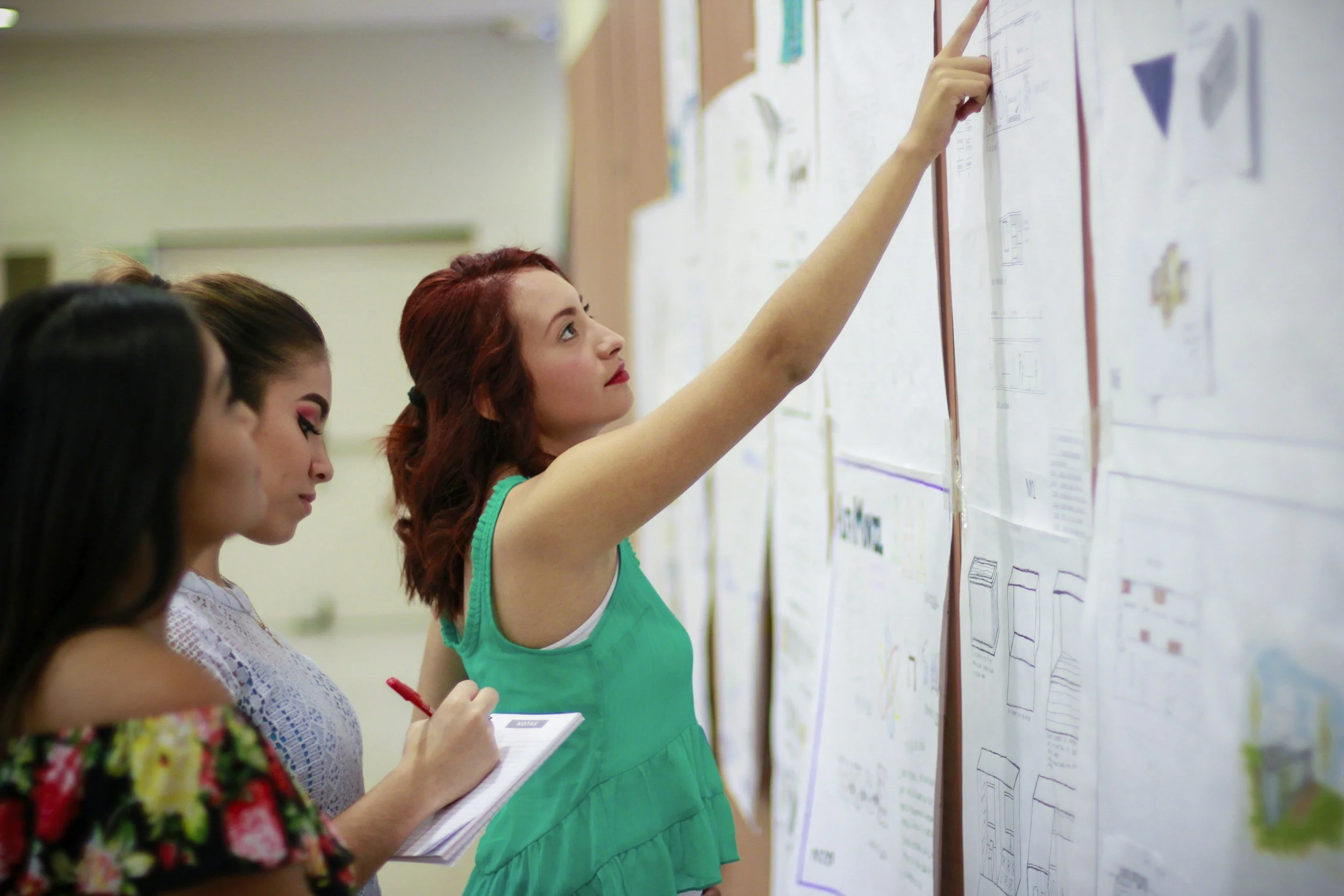
Do Educators Need Yoga Now More Than Ever?
Practicing yoga even for five minutes a day can help reset your nervous system and remind you that ease is not something you have to earn; it’s something you can choose. When educators learn to regulate their own stress, they naturally model being calm, being grounded, along with demonstrating emotional intelligence for the children and families they serve.

The Power of Community and Educator Well-being
Teaching can be one of the most rewarding professions, but it can also feel isolating. The long hours, emotional investment, and ever-growing responsibilities often leave educators feeling like they’re carrying the weight alone. However, a strong sense of community can make all the difference. By building connections with like-minded peers, educators can find support, encouragement, and shared wisdom that uplifts their well-being.
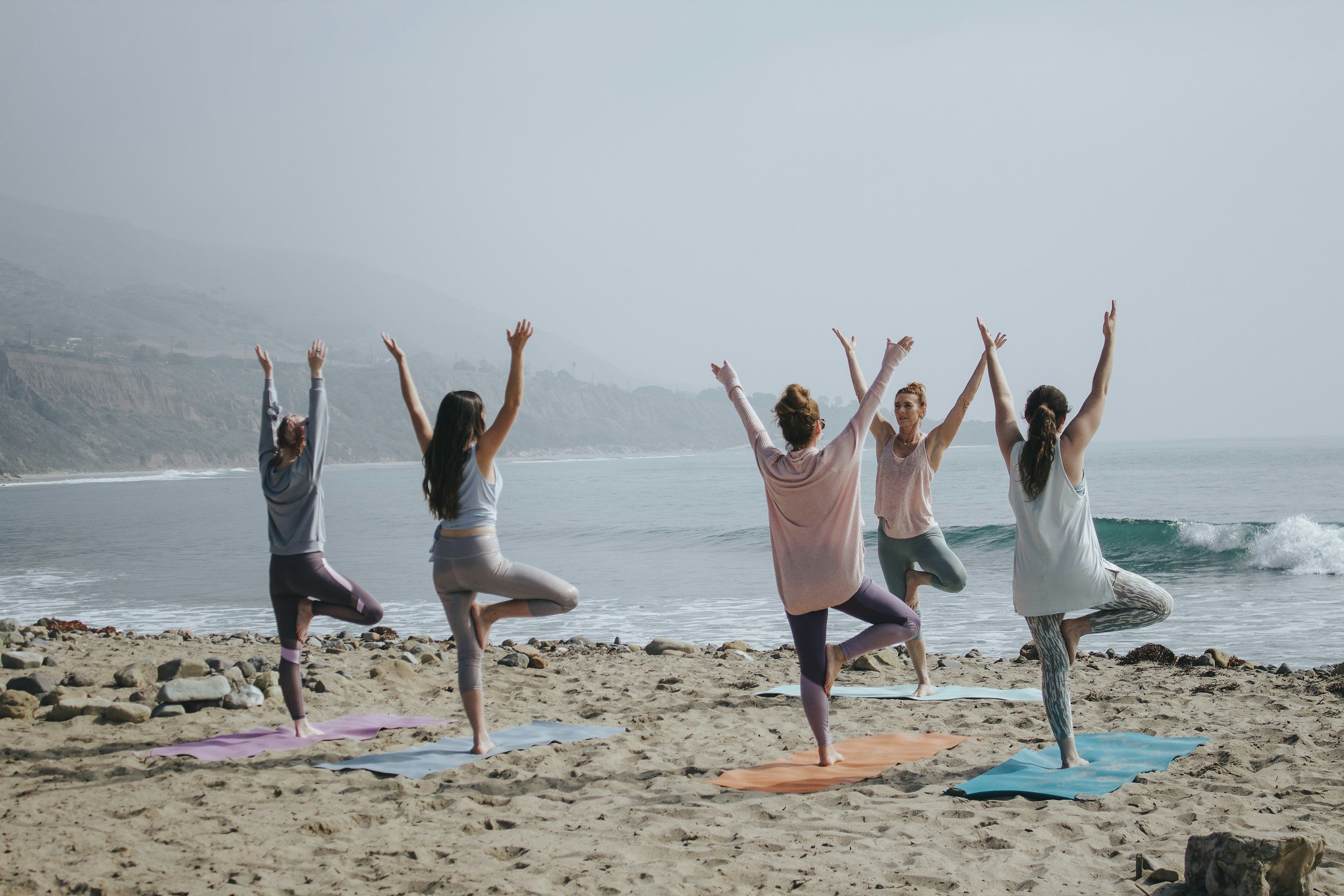
Finding a Holistic Approach to Stress Relief
Educators give so much to their students, often leaving little time to care for themselves. The demands of the profession, including long hours, emotional investment, and administrative responsibilities, can lead to chronic stress, impacting both physical and mental health. A holistic approach to well-being can help educators find balance, and yoga is one of the most effective tools for achieving that harmony.
4 Ways to Take Charge of Your Well-being
Educators are no strangers to stress. Between lesson planning, meeting student needs, administrative tasks, and personal responsibilities, it's easy to feel overwhelmed. But what if you could reclaim your energy, joy, and well-being through simple, intentional practices? Yoga offers a path to empowerment, helping educators take charge of their physical, mental, and emotional health.
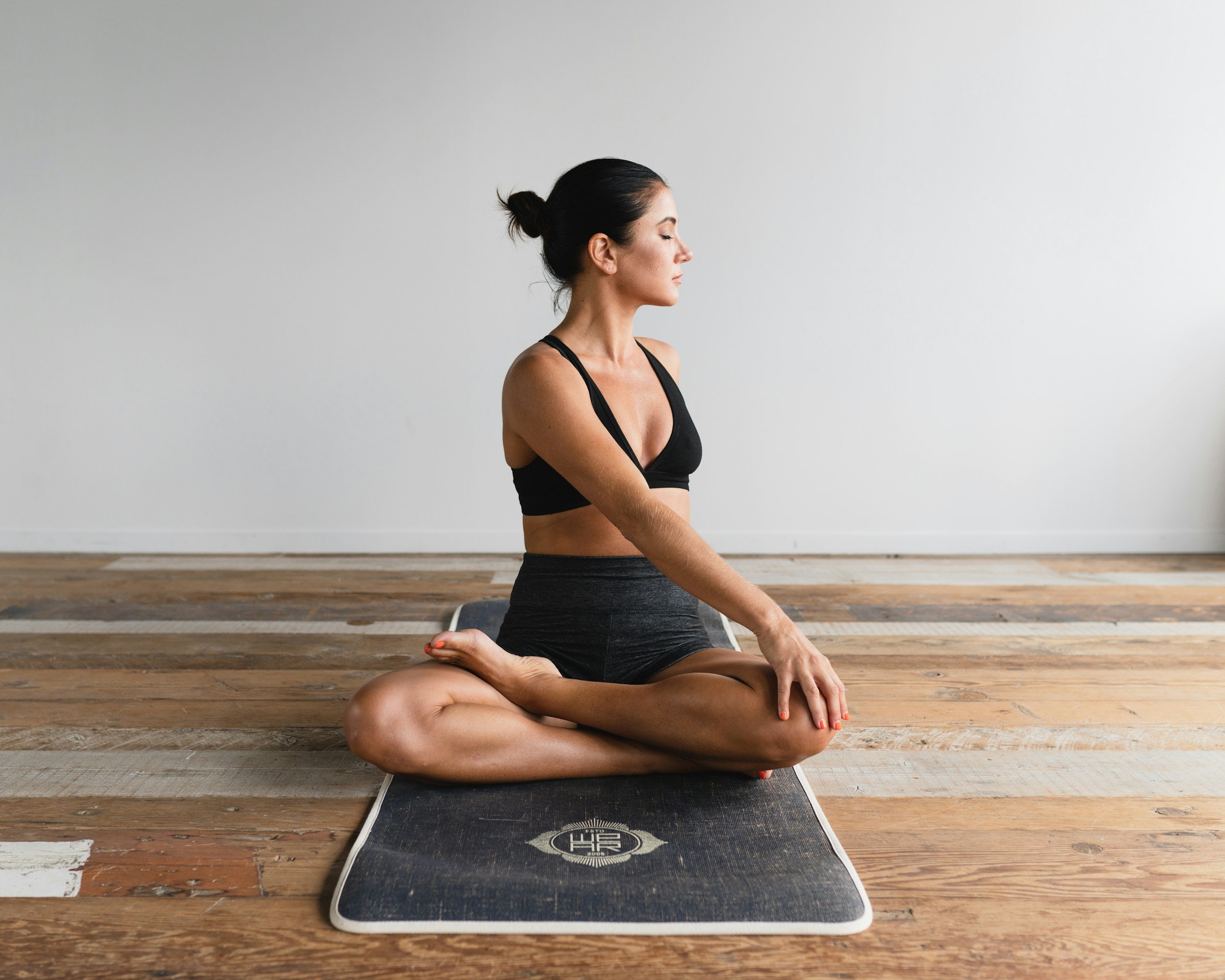
How Yoga Can Help You Show Up Fully as an Educator
Teaching is an act of compassion. Every day, educators pour their hearts and energy into supporting their students, often putting the needs of others before their own. While this dedication is admirable, it can also lead to burnout, stress, and emotional exhaustion. What if the key to showing up fully for your students was learning to extend that same compassion to yourself?

Why Schools Should Invest in Teacher Well-Being
Educators are the heart of every school, yet their well-being is often treated as an afterthought. Teachers pour their energy into lesson planning, classroom management, and student support, often at the expense of their own health and well-being. The result? Burnout, high turnover rates, and a school environment where stress becomes the norm.
But what if schools made teacher wellness a priority, not just as a perk, but as an essential investment? When educators feel supported, both they and their students thrive.
Finding Ease in the Chaos
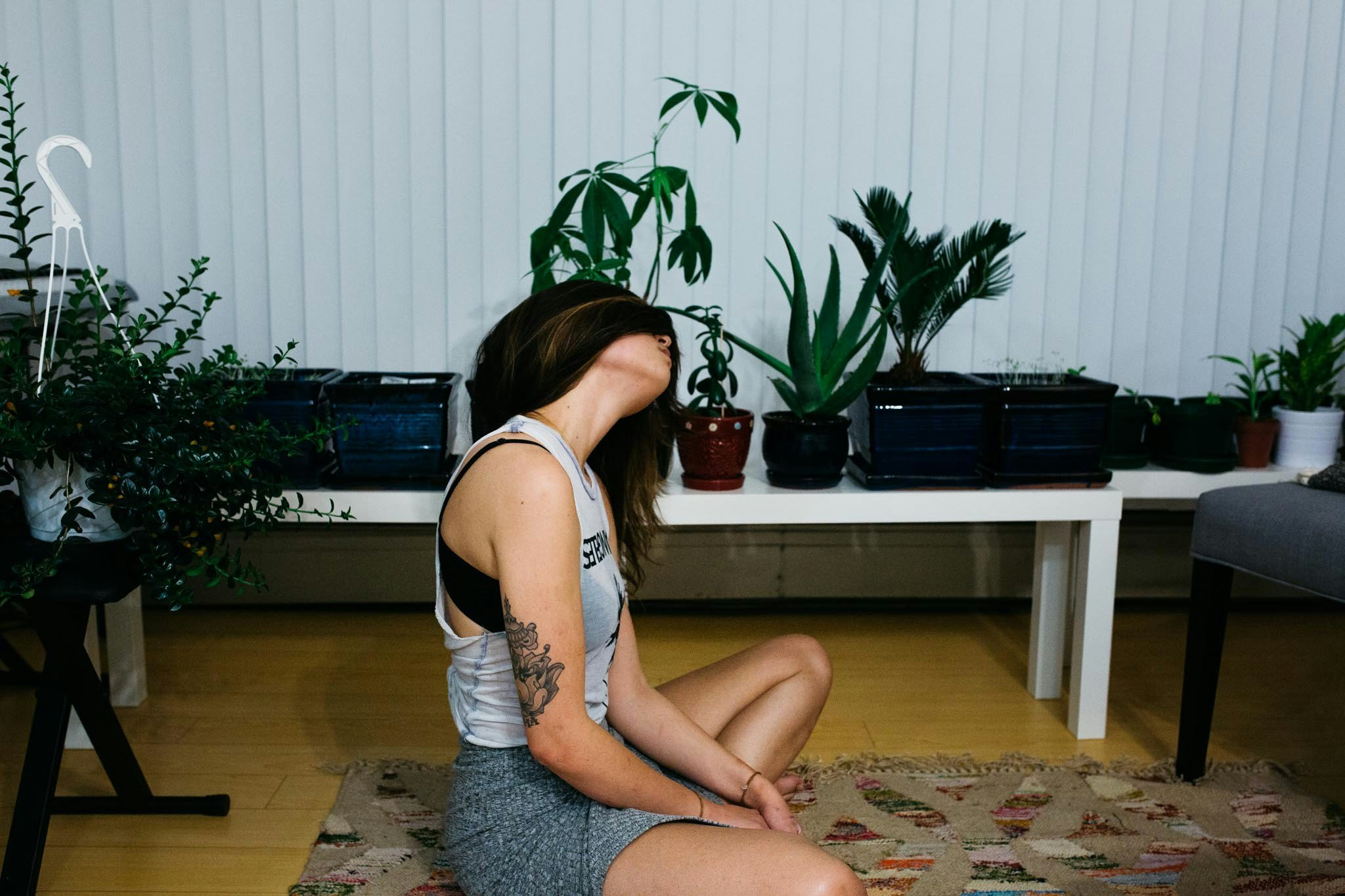
Yoga isn’t about mastering headstands or deep backbends, it’s about cultivating presence, balance, and inner peace, no matter what’s happening around you. As an educator are you looking to find ease in the chaos? In just a few minutes a day, educators can integrate simple yoga and mindfulness practices that ease tension, restore energy, and promote resilience.
Yoga and Social-Emotional Learning
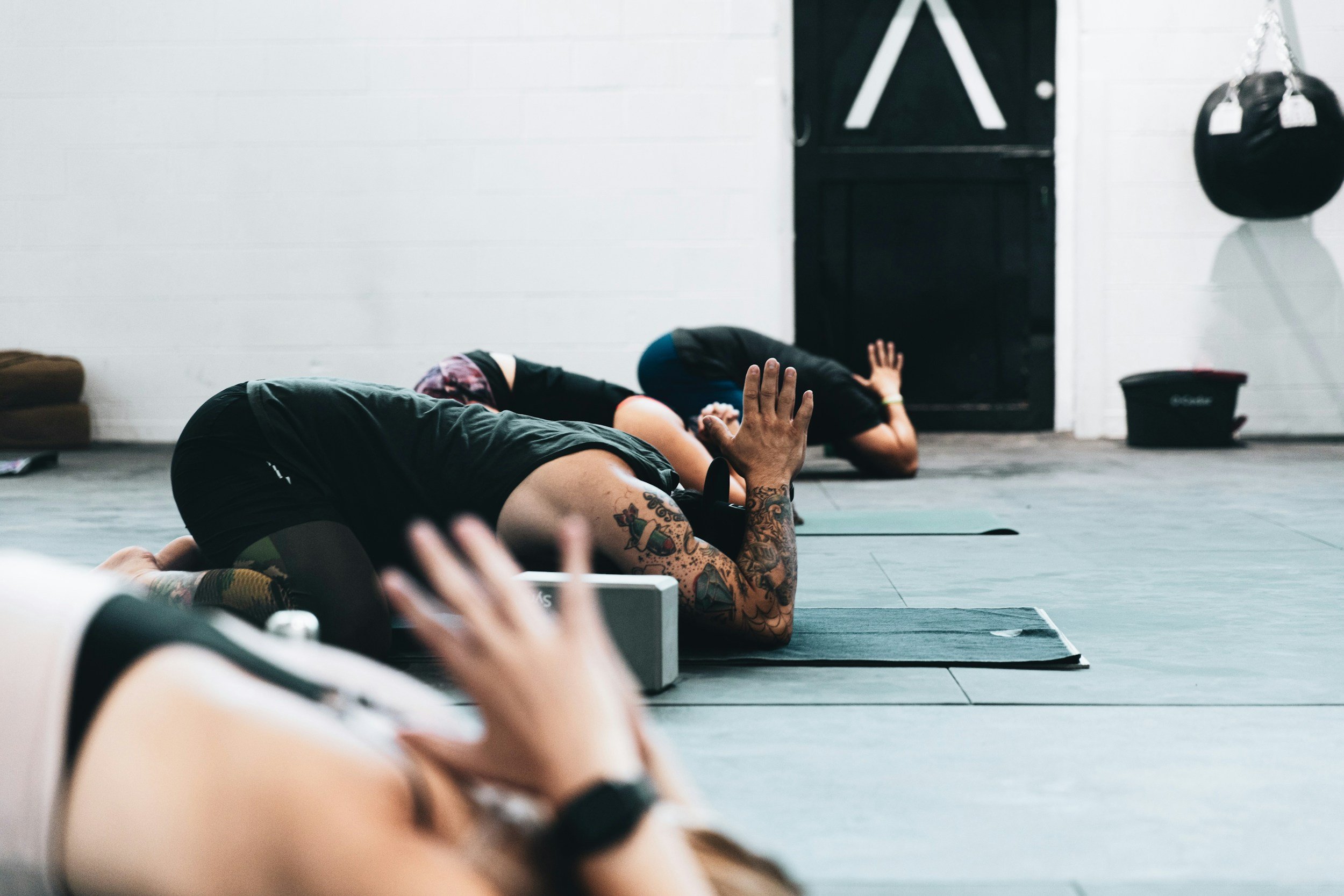
There are so many reasons why yoga and social-emotional learning (SEL) make sense for educators. Educators are not only responsible for teaching a variety of subjects, but, they also serve as role models for emotional intelligence, resilience, and self-regulation. When educators cultivate their own self-awareness, emotional regulation, and mindfulness, they create more positive and emotionally supportive learning environments.

How Yoga Can Help Educators Thrive and Find Balance
Right now, burnout among teachers is at an all-time high, leaving many teachers wondering how to sustain their passion without sacrificing their well-being.
One of the most effective ways to combat burnout and restore balance is through yoga and mindfulness practices. Yoga provides educators with tools to regulate their nervous system, release tension, and cultivate a greater sense of ease, both inside and outside the classroom. Continue reading to find out how.
A Path to Yoga in the New Year
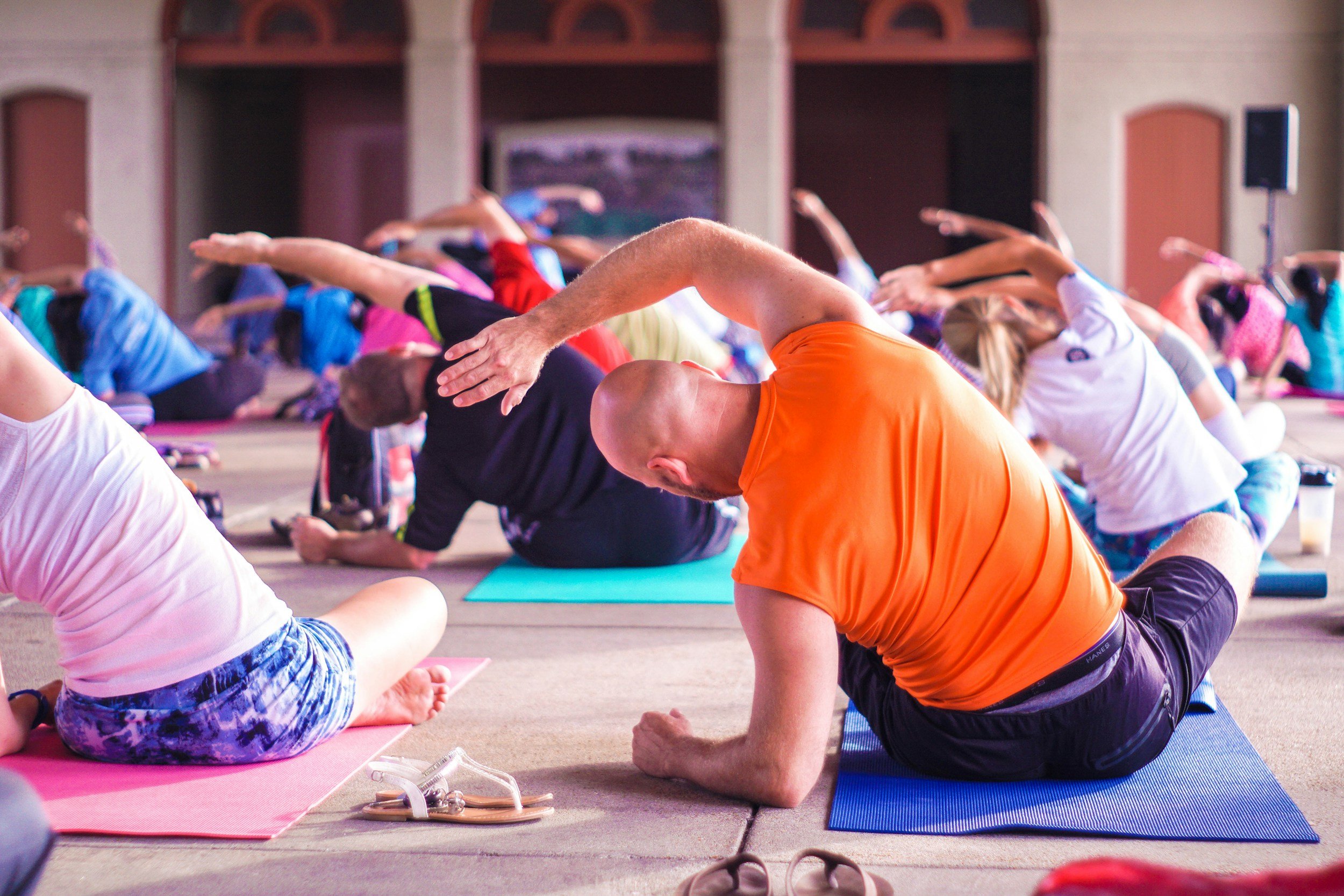
The new year often brings a mix of hope and pressure, hope for a fresh start and pressure to set lofty goals. For those in high-stress jobs like teaching, nursing, or social services, adding one more thing to an already demanding schedule might feel overwhelming. That’s why yoga can be a perfect solution. It’s not about doing more but about creating space to recharge and restore.

Strategies for Embracing Wellness
For those in high-stress professions, wellness often feels like an impossible luxury. Yet, embracing wellness is critical not just for your personal well-being but for your ability to care for others effectively. Restorative yoga offers a gateway to wellness, focusing on slowing down and tuning in.

Chair Yoga for People Who Are Sedentary for Work
Spending long hours sitting can lead to stiff muscles, poor posture, and even chronic pain. Whether you’re a teacher grading assignments, a nurse charting patient notes, or a social worker logging reports, chair yoga offers a quick and effective way to feel refreshed and realigned during your workday.

Shoulder Injury? No Problem
Shoulder injuries can be frustrating, especially when your work involves repetitive movements or lifting, like repositioning patients, grading papers, or carrying heavy bags. Fortunately, restorative and yin yoga provide a safe way to gently stretch, strengthen, and heal your shoulders without aggravating the injury.

How Yoga Can Help You Prepare for Winter
As the days shorten and temperatures get lower, winter invites us into a slower, more introspective season. Preparing the mind and body for this shift through yoga can be a great way to stay centered, resilient, and warm. Keep reading to learn about a few yoga practices and lifestyle tips to help you move through the winter months with ease.

Honoring Diwali with Respectful Appreciation
This year Diwali happens from October 31st to November 1st. As yoga practitioners, this holiday offers a meaningful opportunity to connect with Indian traditions respectfully. It’s also important to differentiate between cultural appreciation and cultural appropriation in how we honor Diwali. Keep reading to learn more.
Finding Calm in Uncertain Times with Gentle Yoga
During times of uncertainty it can be helpful to look within and engage in a practice like gentle yoga to help calm the body and mind. Continue reading to learn how.